Call Now for Immediate Service!
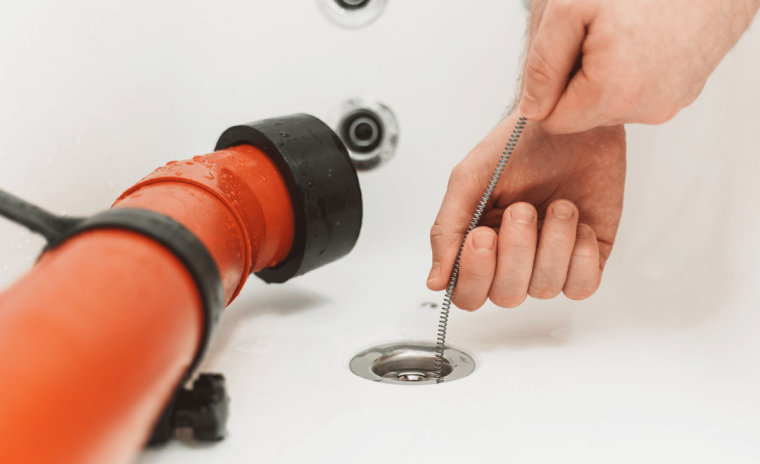
How to Unclog a Main Sewer Line in 5 Steps
Protect your home from sewage disasters.
Step 1: Recognize the Warning Signs of a Clogged Main Line
Understanding the early warning signs of a main sewer line blockage can save property owners from catastrophic damage and costly emergency repairs. The main sewer line carries all wastewater from sinks, toilets, showers, and appliances to the municipal system or septic tank. When this critical artery becomes obstructed, multiple fixtures throughout the property begin to exhibit symptoms simultaneously.
The most telling indicator is when water backs up into your shower or bathtub drain after flushing a toilet. This reverse flow occurs because the blockage prevents wastewater from escaping, forcing it to find the lowest available drain. You may also notice persistent gurgling sounds from floor drains or toilets when running water elsewhere in the home. These noises signal trapped air pockets caused by restricted flow in the main line.
In Franklin and the surrounding Central Indiana communities, seasonal patterns influence sewer line performance. During spring thaw periods, tree roots that invaded pipes during dormant months become particularly aggressive, seeking moisture as temperatures rise. Clay soil common throughout Johnson County can shift with freeze-thaw cycles, creating additional stress on aging sewer lines and exacerbating existing weaknesses.
Other red flags include multiple slow-draining fixtures, sewage odors near floor drains or the cleanout access point, and wet spots in the yard above the sewer line path. When one fixture drains slowly, the issue typically remains localized. When every drain in the property struggles simultaneously, the main line is almost certainly involved. Identifying these patterns early allows property owners to address blockages before sewage backs up into living spaces, causing health hazards and significant property damage.
Step 2: Locate and Inspect Your Sewer Cleanout Access Point
Before attempting any intervention, property owners must locate the sewer cleanout, a critical access point designed specifically for maintenance and emergency clearing. This fitting typically appears as a capped pipe extending three to four inches above ground level or basement floor, usually positioned along the path between the house and the street or septic system. In older Franklin homes built before standardized plumbing codes, cleanouts may be absent entirely or located in unexpected positions.
The cleanout cap is generally white, black, or sometimes brass, with a square or raised fitting that accepts a wrench. Once located, remove the cap slowly and with caution. If the main line is completely blocked, sewage may be backed up to this point and will spill out immediately when the cap is removed. Position a bucket or container nearby and stand to the side as you loosen the fitting to avoid direct contact with wastewater.
After safely removing the cap, inspect the cleanout opening. If water is standing inside the pipe or flows out when opened, the blockage exists downstream between this access point and the municipal connection or septic tank. If the cleanout is dry and you can see through the opening, the obstruction likely sits upstream, closer to the house interior. This simple diagnostic step helps narrow the location of the clog and determines whether the problem can be addressed from this access point.
In many Franklin properties with mature landscaping, tree roots represent the primary cause of main line blockages. Willows, maples, and silver poplars common to Indiana yards send aggressive root systems toward moisture sources, infiltrating even small cracks in sewer pipes. Inspecting the cleanout provides the first tangible evidence of blockage severity and helps property owners decide whether the situation requires professional drain cleaning service or can be managed with DIY methods.
Step 3: Understand Common Blockage Causes and How to Avoid Them
Main sewer line blockages stem from several predictable causes, each requiring specific prevention strategies. Tree root intrusion ranks as the leading culprit, particularly in established neighborhoods where mature trees line streets and yards. Roots naturally grow toward moisture and nutrients, detecting even microscopic cracks or joint separations in sewer pipes. Once inside, roots expand rapidly, creating dense masses that trap passing debris and eventually form complete obstructions.
Property owners can mitigate root intrusion by identifying the sewer line path and avoiding planting water-seeking species directly above it. If mature trees already exist near the line, copper sulfate or foaming root treatments applied through toilets twice annually can slow root growth within pipes. However, these treatments provide only temporary relief. Persistent root problems ultimately require professional sewer repair service to remove the obstruction and, in severe cases, replace compromised pipe sections.
The second major cause involves improper disposal habits. Grease and cooking oils poured down kitchen drains congeal as they cool, adhering to pipe walls and gradually narrowing the passage. In Central Indiana, where winter temperatures regularly drop below freezing, this problem intensifies as cold ground temperatures accelerate grease solidification within underground pipes. Similarly, flushing non-degradable items creates immediate blockage risk. Dental floss, cotton swabs, medication, and personal care products accumulate at pipe bends and catch points, forming obstructions that trap other materials.
Aging infrastructure presents the third common cause. Cast iron and clay pipes installed in homes built before 1985 deteriorate over time, developing rust scale buildup, cracks, and joint separations. These structural weaknesses create rough interior surfaces where debris catches easily and blockages form rapidly. Bellied or sagging pipe sections, caused by soil settlement or improper initial installation, create low spots where water pools and solid materials settle rather than flowing freely to the outlet.
Step 4: Know When to Call a Professional Plumbing Service
While preventive measures and early intervention help manage minor drain issues, certain situations demand professional plumbing service to prevent catastrophic damage. Recognizing these critical thresholds protects property values and ensures resident safety. If multiple fixtures back up simultaneously despite DIY clearing attempts, the blockage likely exists deep within the main line or involves structural pipe damage that simple augering cannot resolve.
Sewage backup into living spaces constitutes an immediate emergency requiring professional response. Raw sewage contains harmful bacteria, viruses, and parasites that pose serious health risks, particularly to children, elderly residents, and individuals with compromised immune systems. Professional teams arrive equipped with industrial-grade equipment, protective gear, and sanitization protocols necessary to safely clear blockages and decontaminate affected areas.
Persistent slow drainage throughout the property, even after cleanout access clearing, often indicates problems beyond simple clogs. Tree root infiltration, collapsed pipe sections, or severe scale buildup require video camera inspection to diagnose accurately. Licensed professionals use specialized waterproof cameras threaded through the sewer line, providing real-time footage that reveals blockage location, cause, and severity. This diagnostic precision eliminates guesswork and allows targeted repair strategies rather than exploratory excavation.
Properties equipped with septic systems face additional considerations. Main line blockages in septic-served homes may originate from tank failures, drain field saturation, or distribution box malfunctions rather than pipe obstructions. These scenarios require septic system expertise alongside general plumbing knowledge. Similarly, homes experiencing repeated blockages despite regular maintenance likely suffer from structural issues such as pipe bellying, joint separation, or invasive root damage that necessitate permanent repair rather than temporary clearing.
Professional drain cleaning service and sewer repair service provide long-term solutions that restore proper function and prevent recurring problems. When warning signs persist or escalate despite homeowner intervention, timely professional assistance prevents minor inconveniences from becoming major disasters.